


Bonbons toxiques
October 9 – 31, 2025
Exhibition in Galerie Vallois, Paris
Curator of the exhibition: Andrei Erofeev
Is Art Child’s Play? by Jean-Hubert Martin – read
The return of cult symbols by Andrey Erofeev – read
Exhibition-description – read
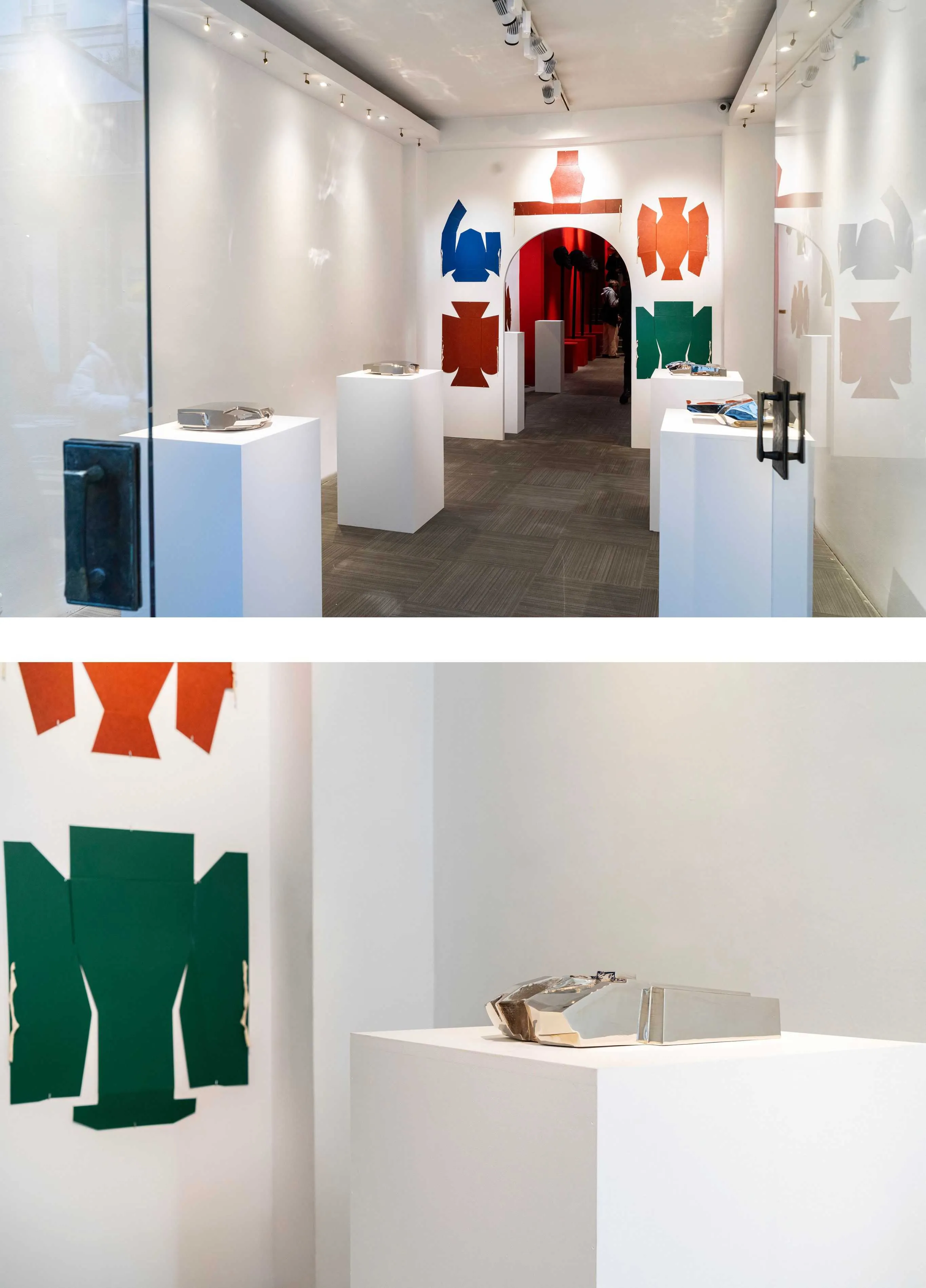
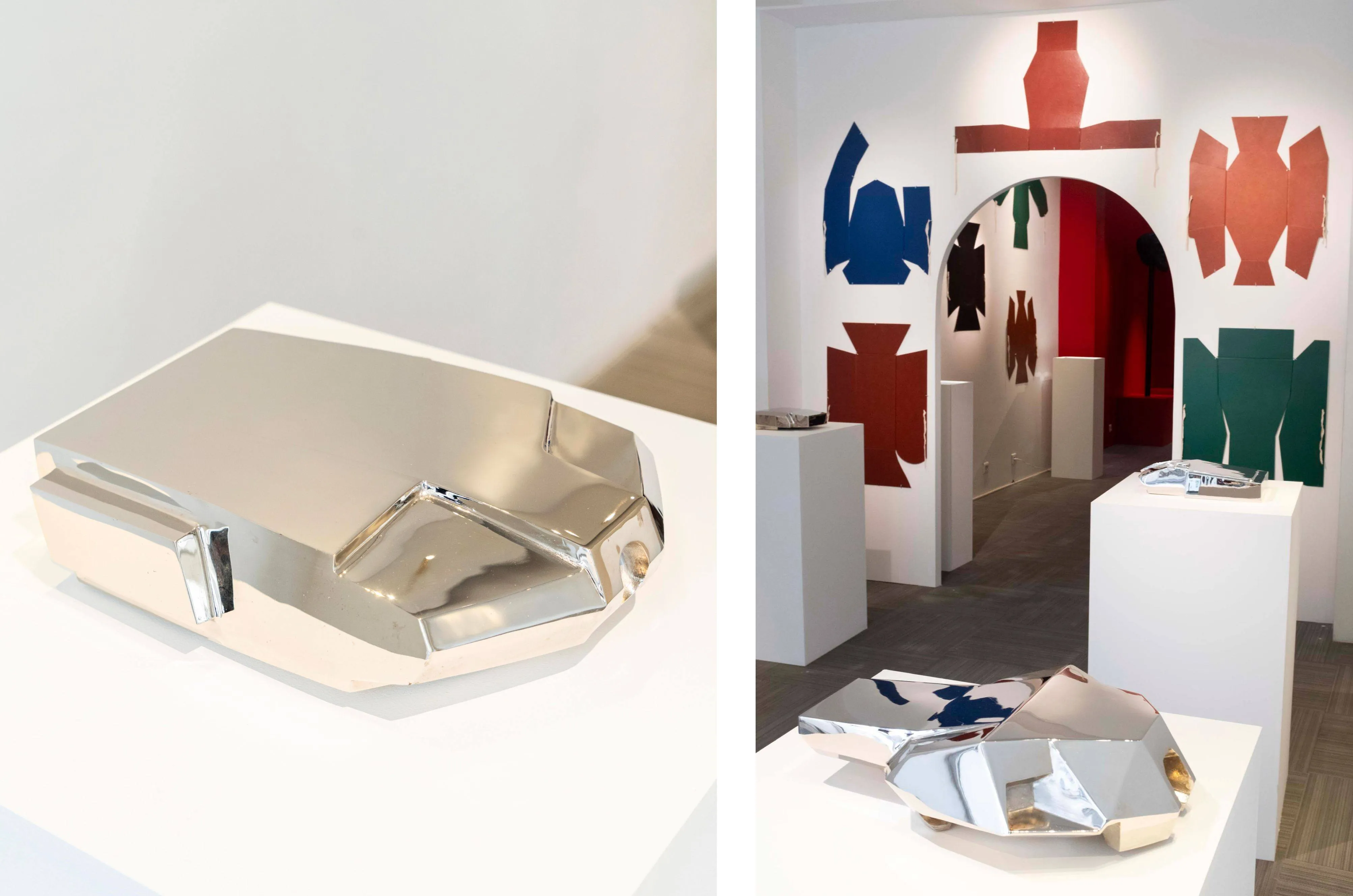
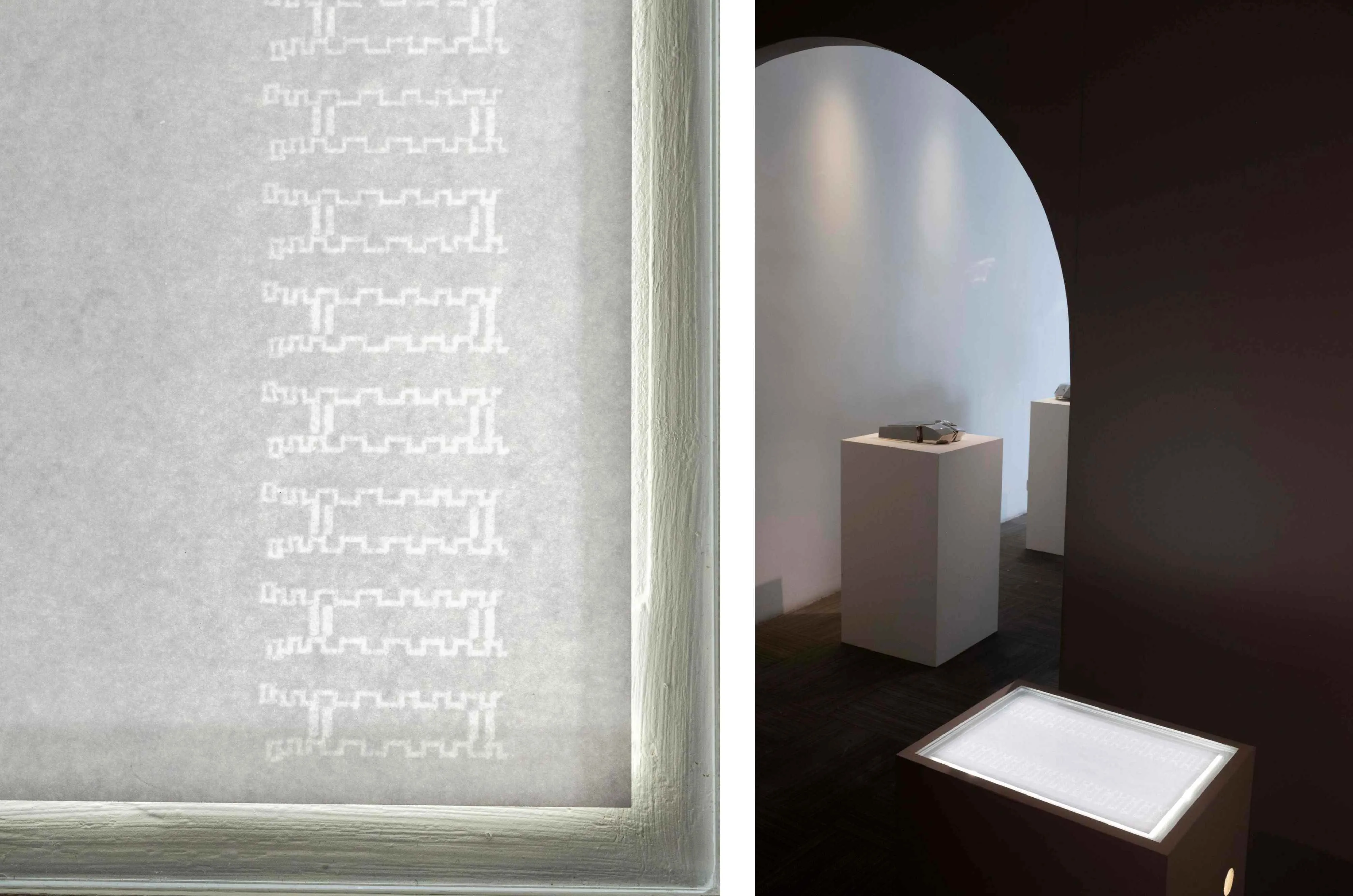
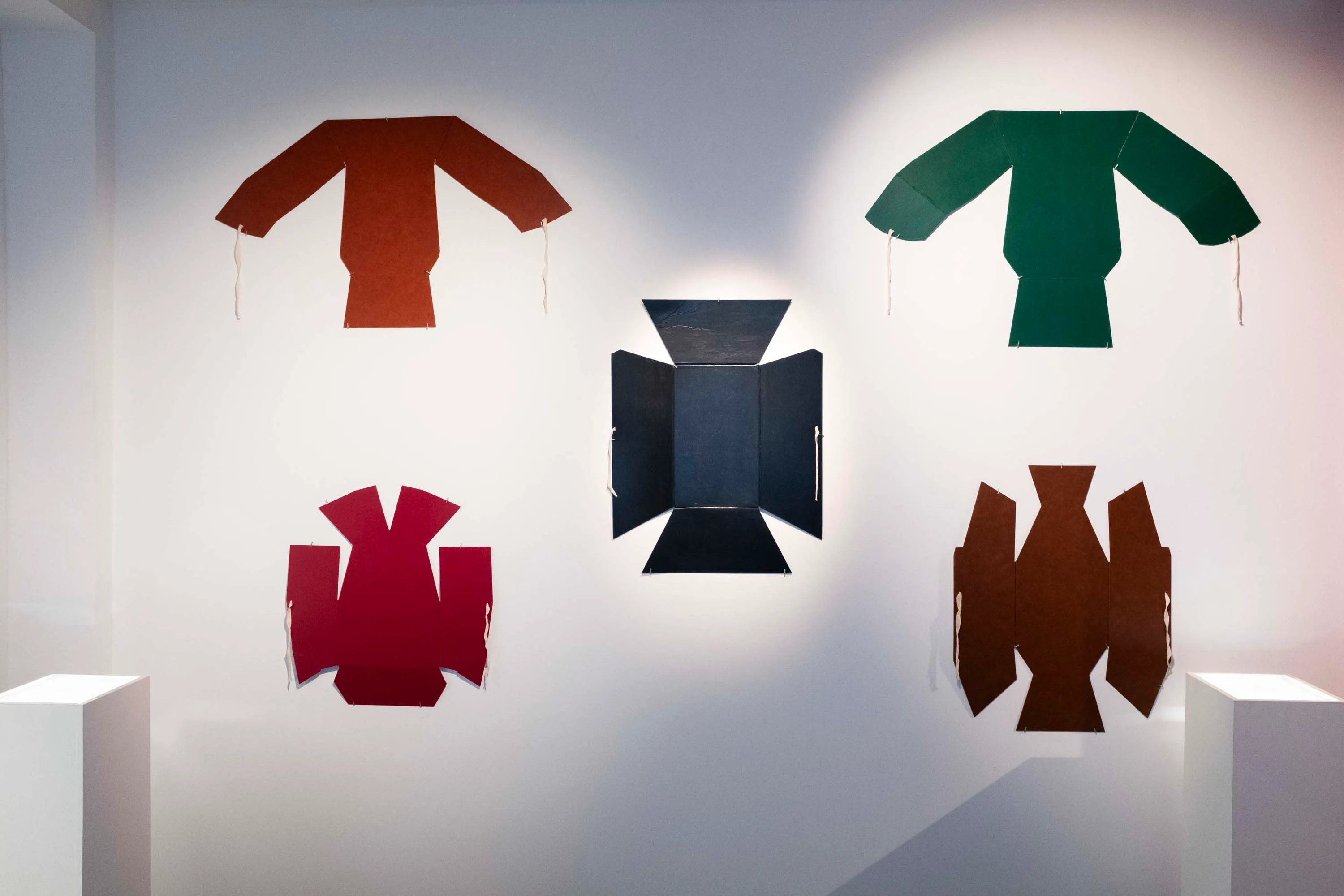
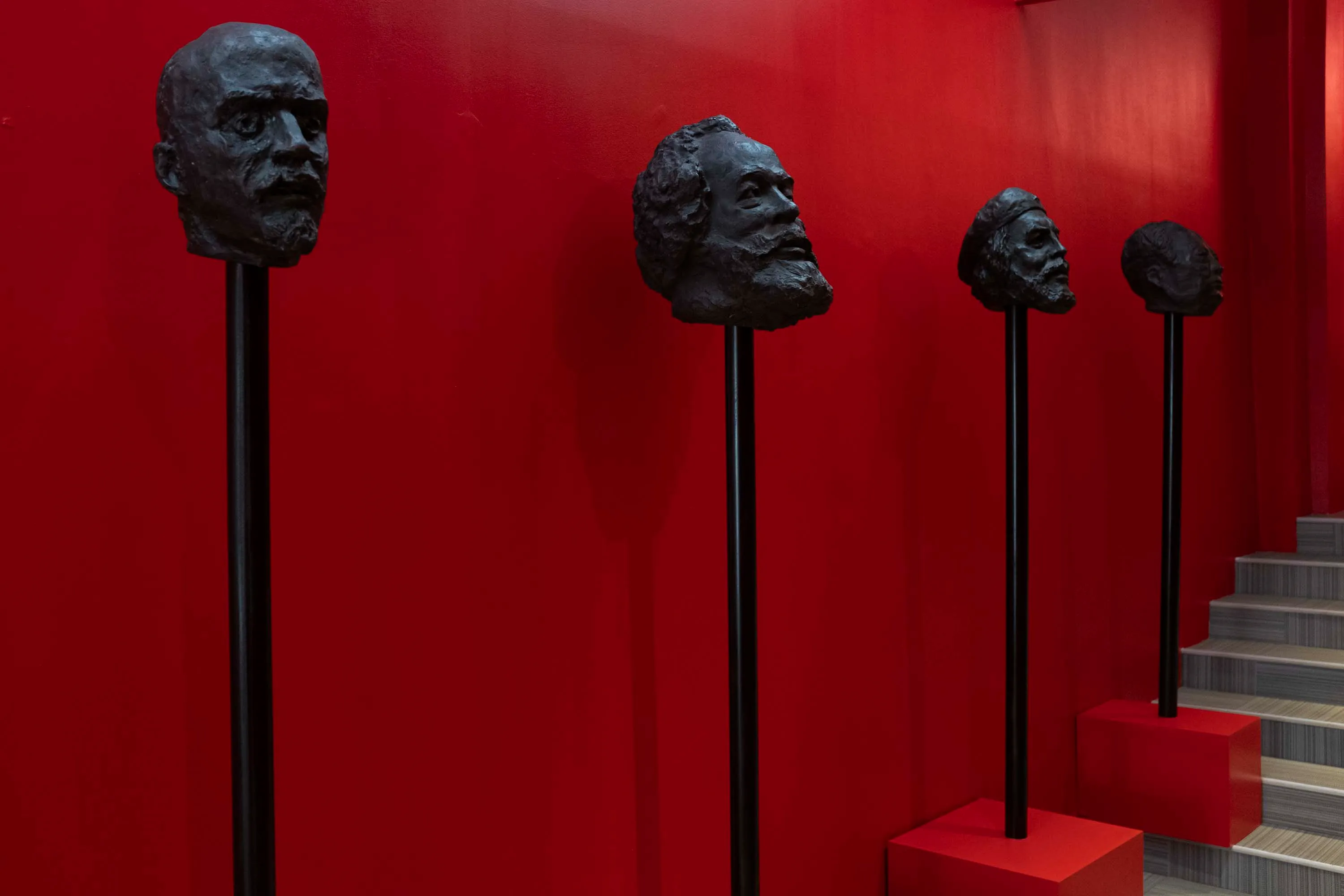
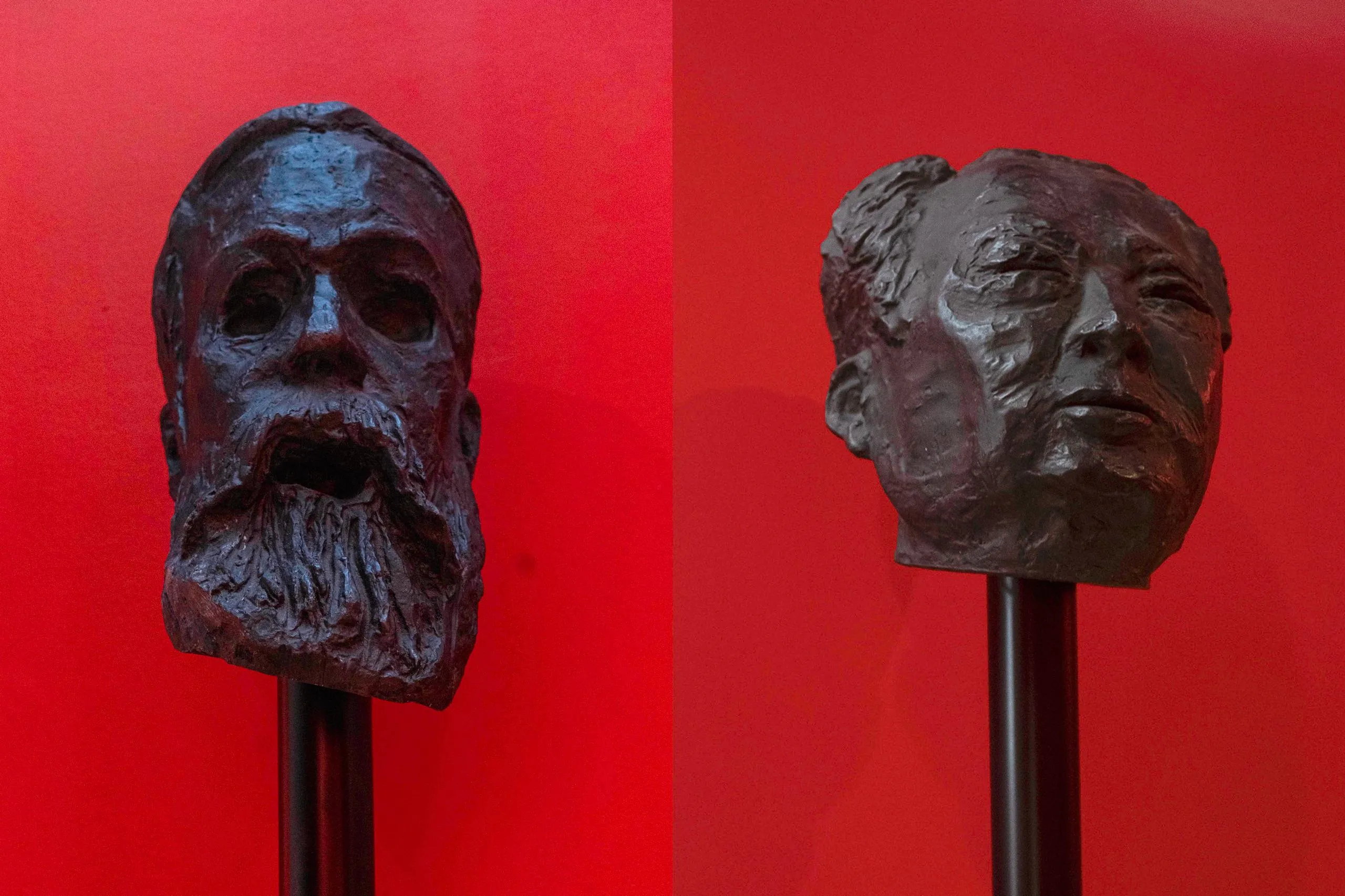
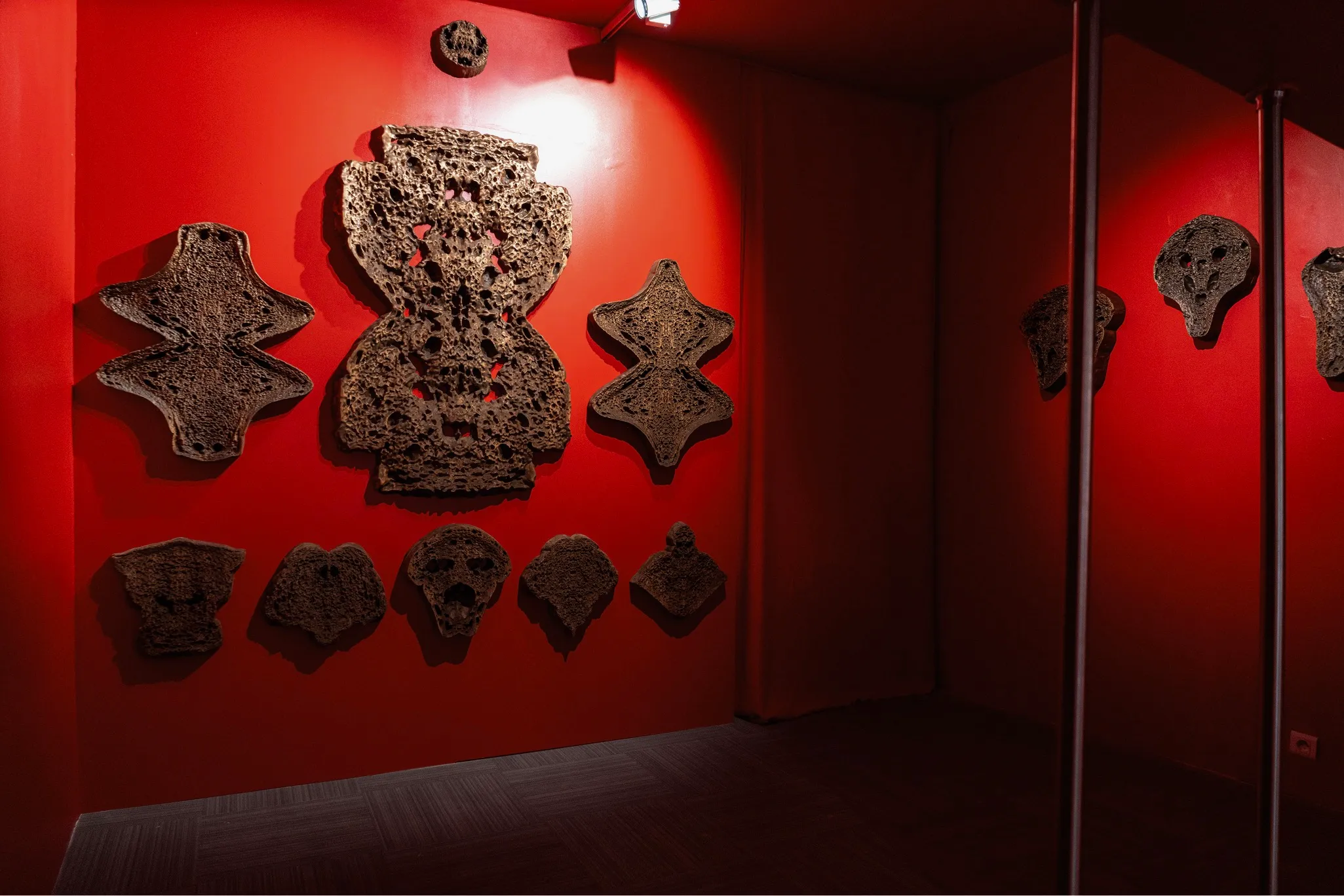
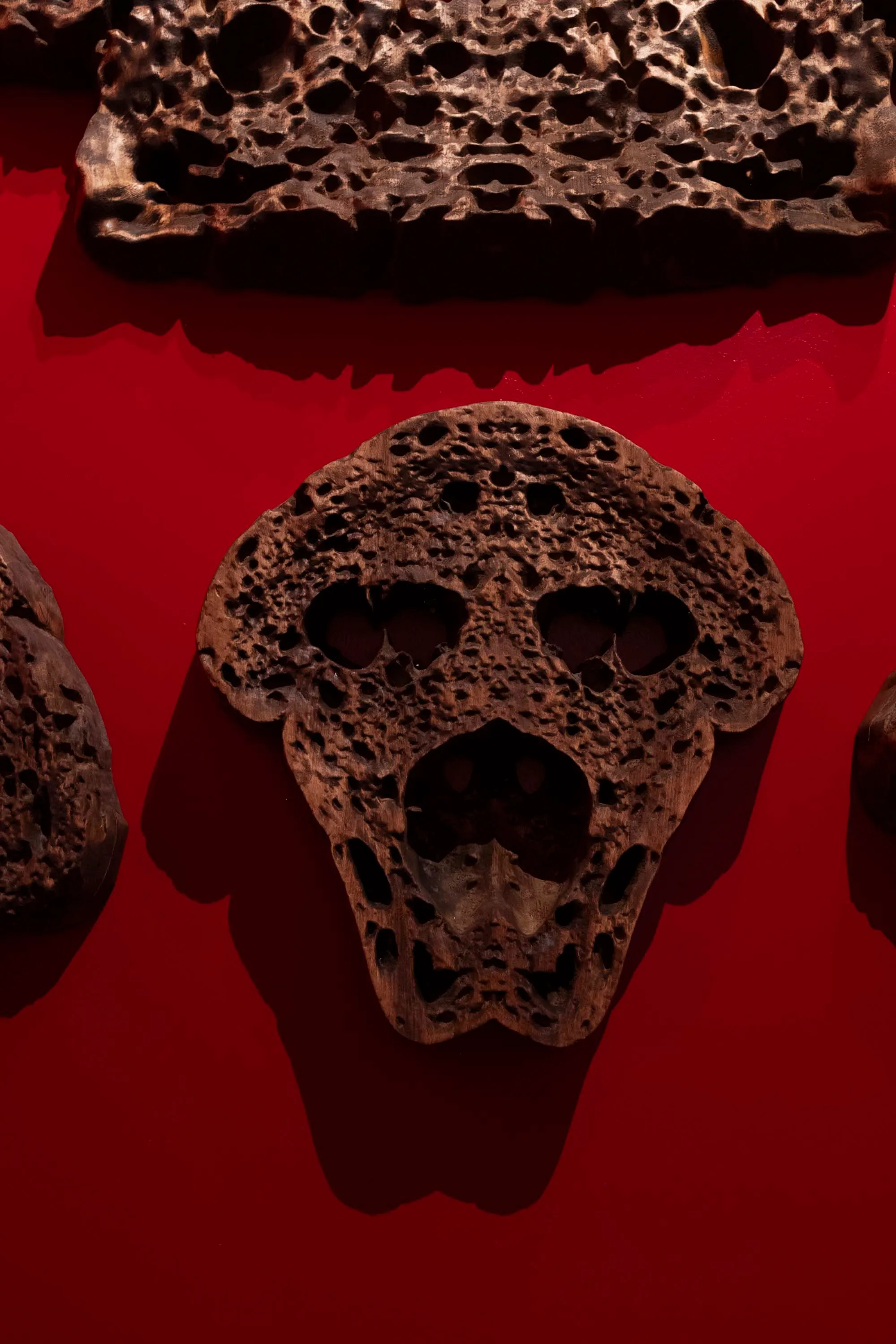
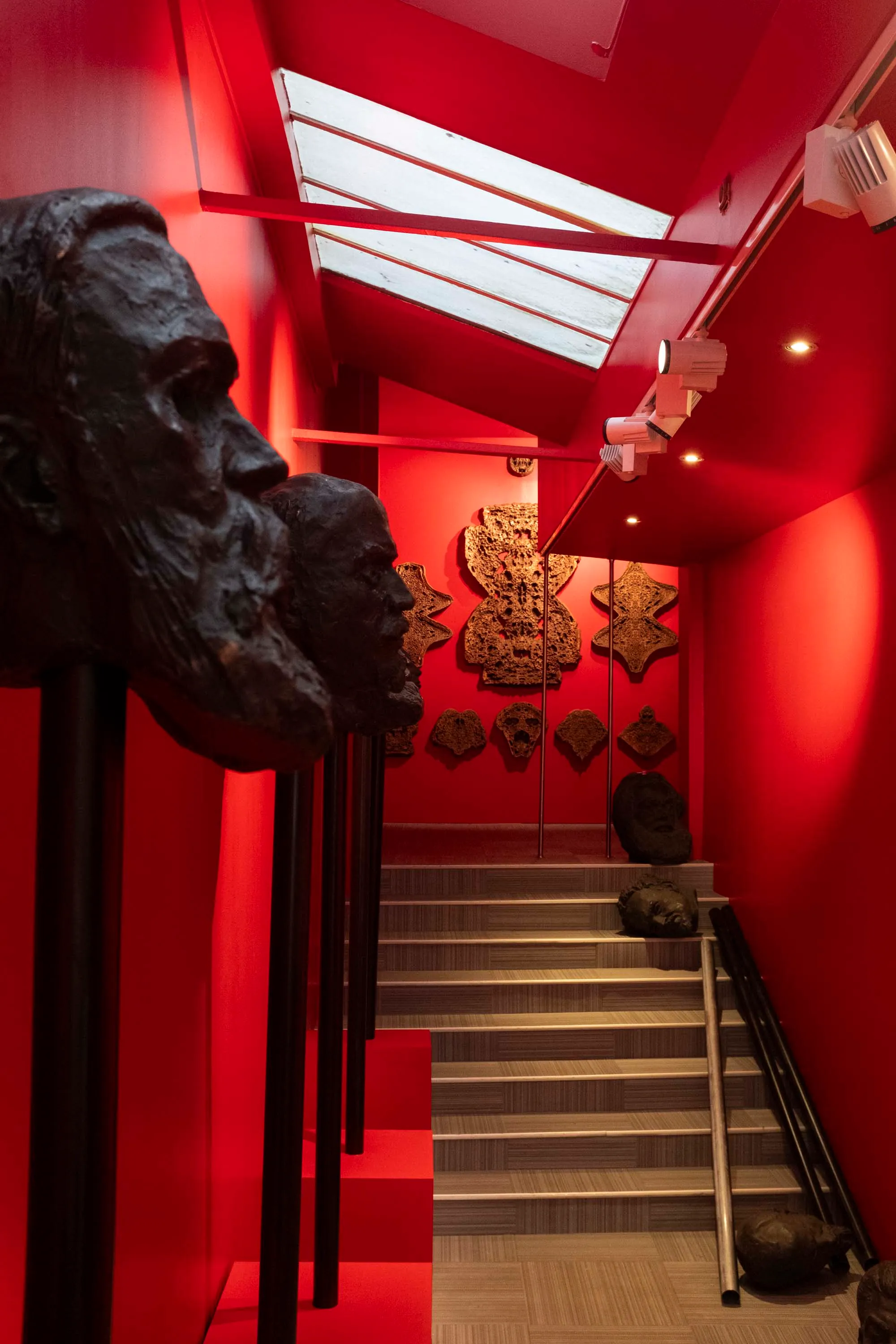
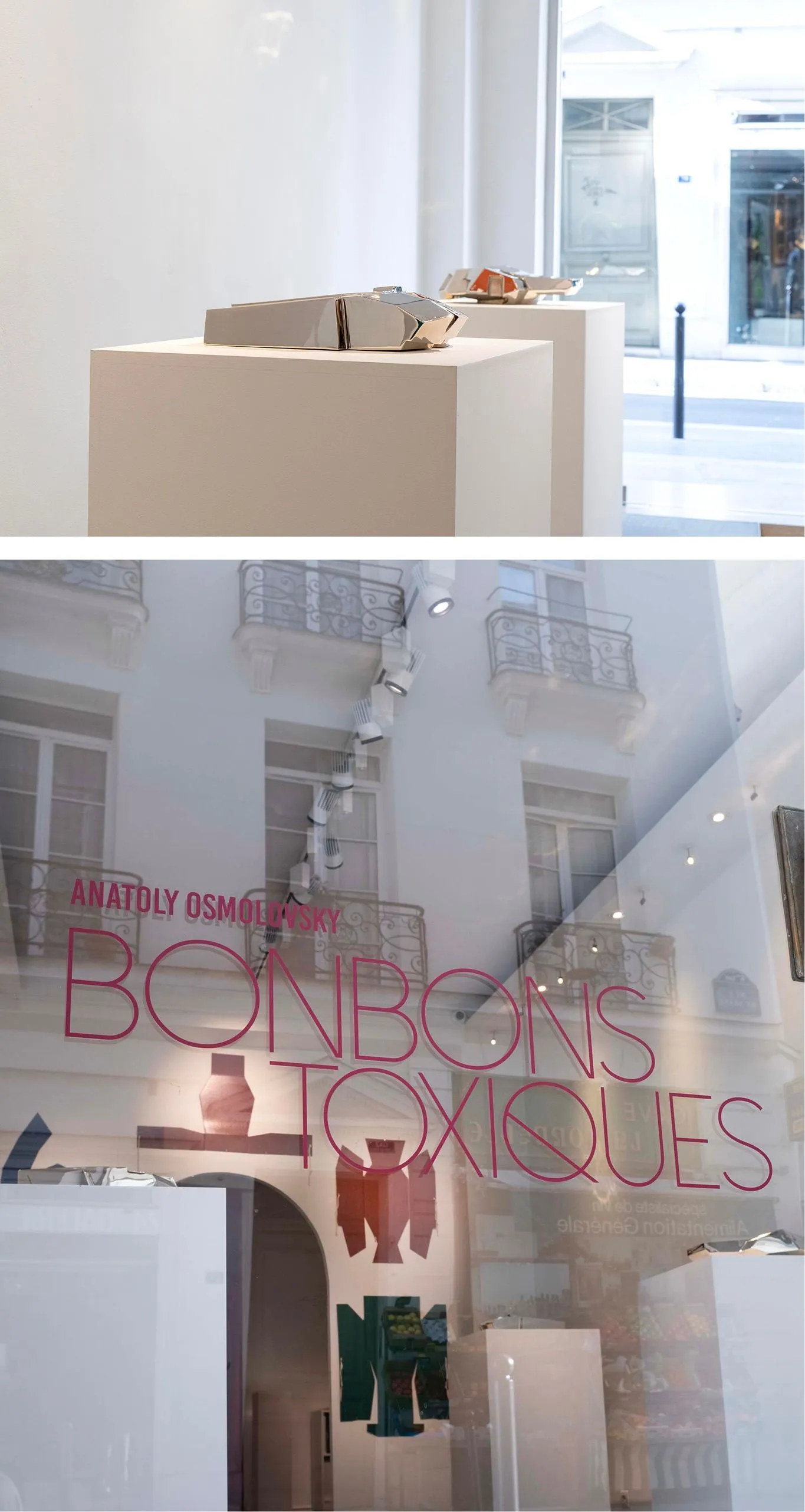
The expression ‘temoin de notre temps’ usually refers to photographs or pictures. The author of this exhibition has passed the function of testimony to objects. The exhibition consists of five series of art objects created in different years and combined into a single project. There are bronze casts polished to a mirror shine, bizarre 1930s-style office folders, mysterious white pages, darkened by the weather, bronze sculptural portraits of Marx, Lenin, Mao, Stalin among other communists, and finally a powerful installation – a wall of greatly enlarged relief copies of rye bread slices (created especially for this project and exhibited for the first time). All of these objects are in a strict sequence that follows the author's concept: bright packaging and poisoned contents. The author, a prominent Russian artist Anatoly Osmolovsky, has expressed the spiritual and political trends of our time in these works. From fake post-communist democracy to the latest radical right-wing shift where not the fluids of European humanism that prevail, but reactionary cults of the leader, the power of weapons, and the ‘traditional foundations’ of the nation, invented by new repressive regimes.
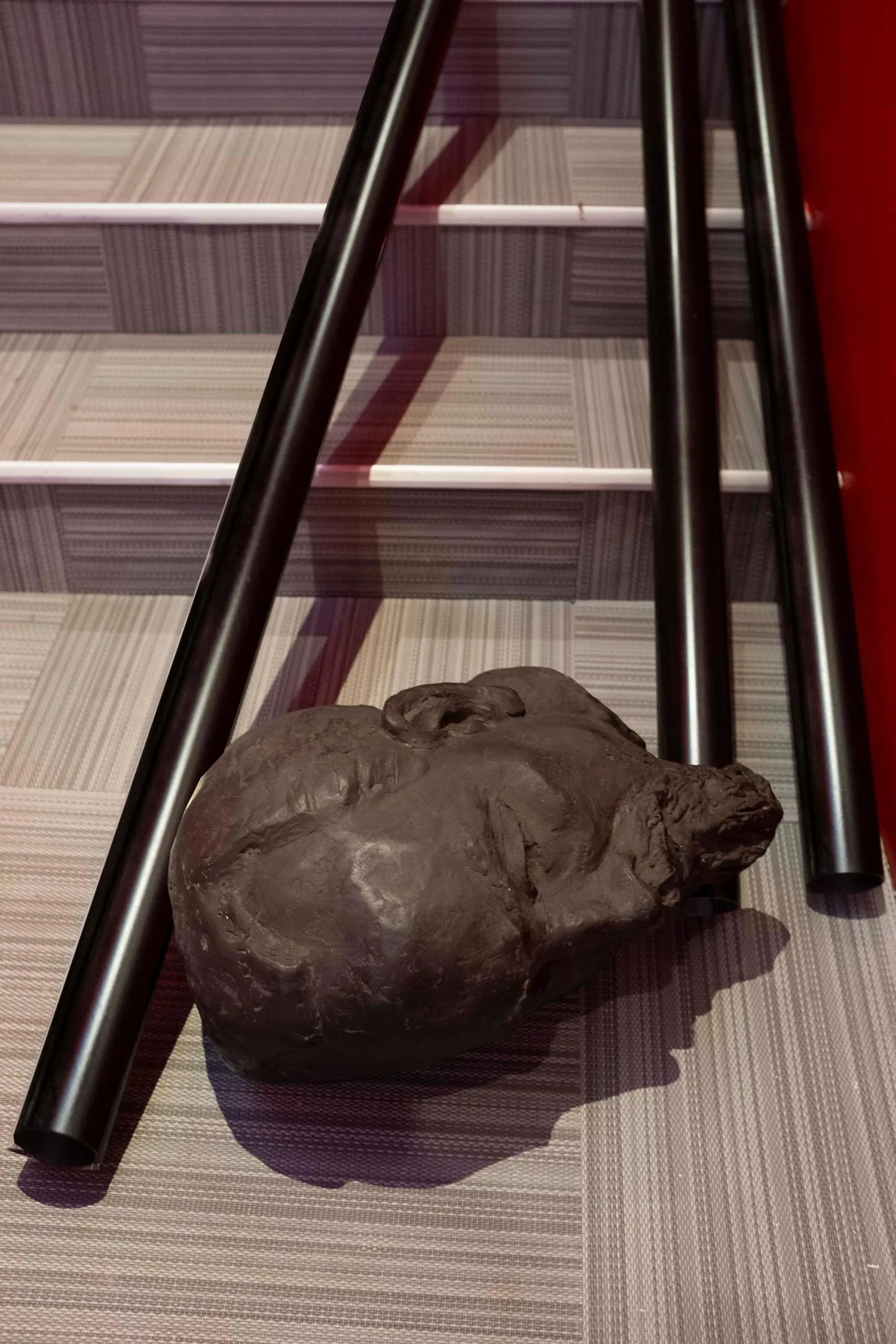
The installation featuring famous revolutionaries with their heads strung on poles in the manner of public executions of the ancient times, has a curious title: ‘Did you do this? No, you did.’ The imaginary question from the public and the author's answer do not negate the ambivalent interpretation of the work. What constitutes the crime? For some, the symbolic execution of leaders is the embodiment of the demise of the revolutionary period in history and its spiritual legacy. For others, it is a symbol of freedom and victory over dictators. In this case, the crime boils down to actual vandalism of monuments to tyrants. A wave of this swept across Europe in the time of ‘colour revolutions’. In his other works, Osmolovsky also strives to avoid didactic clarity. He declares the fundamental neutrality of his approach. In the words of André Breton, he has become a ‘modest recording device’ of his time.
The bilingual English-French catalogue is published for the exhibition.
.webp)

.jpg)
--%20Large.webp)