UKRAINKA (Ukrainian woman)
2014
Bronze, 2150 × 50 × 65 cm
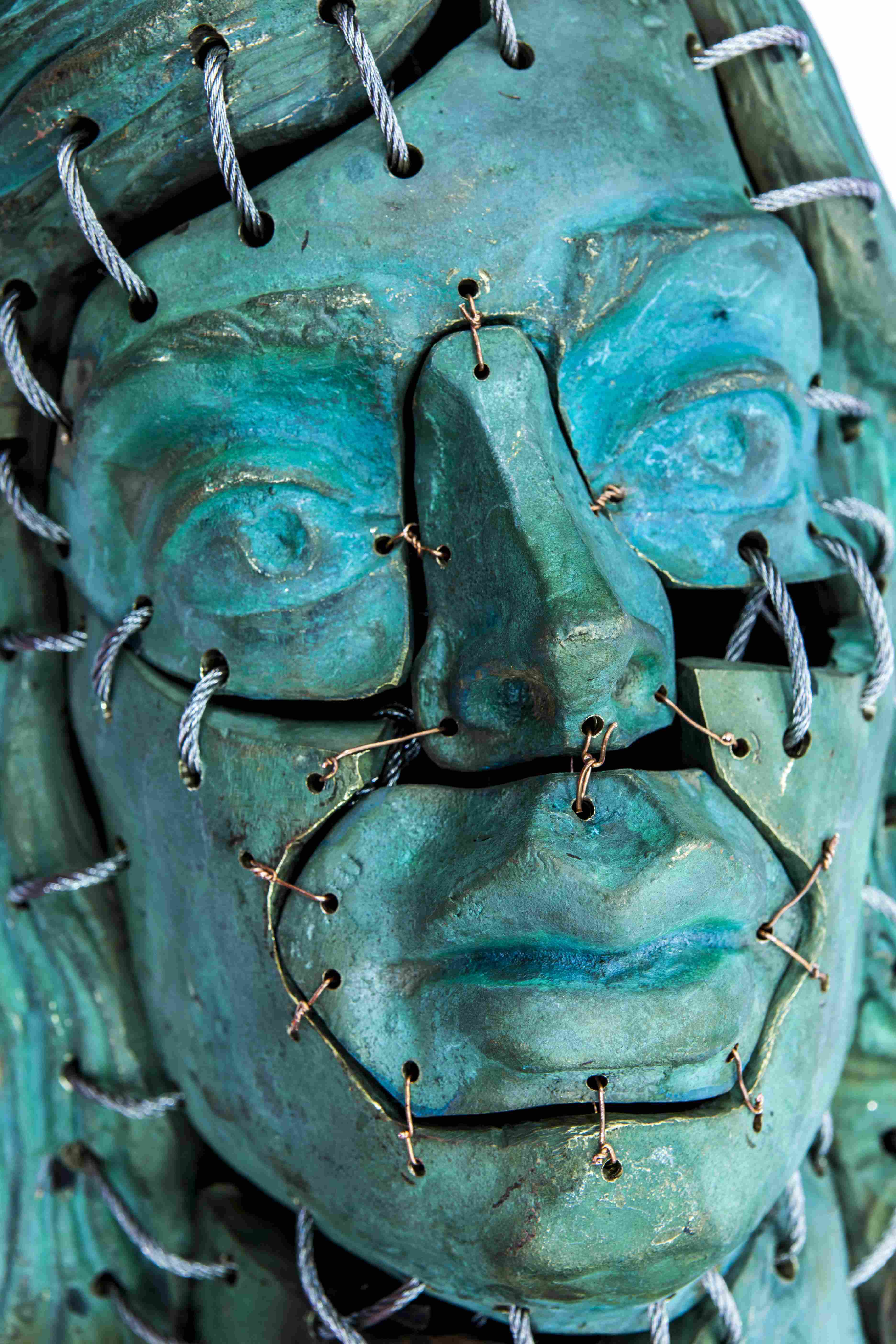
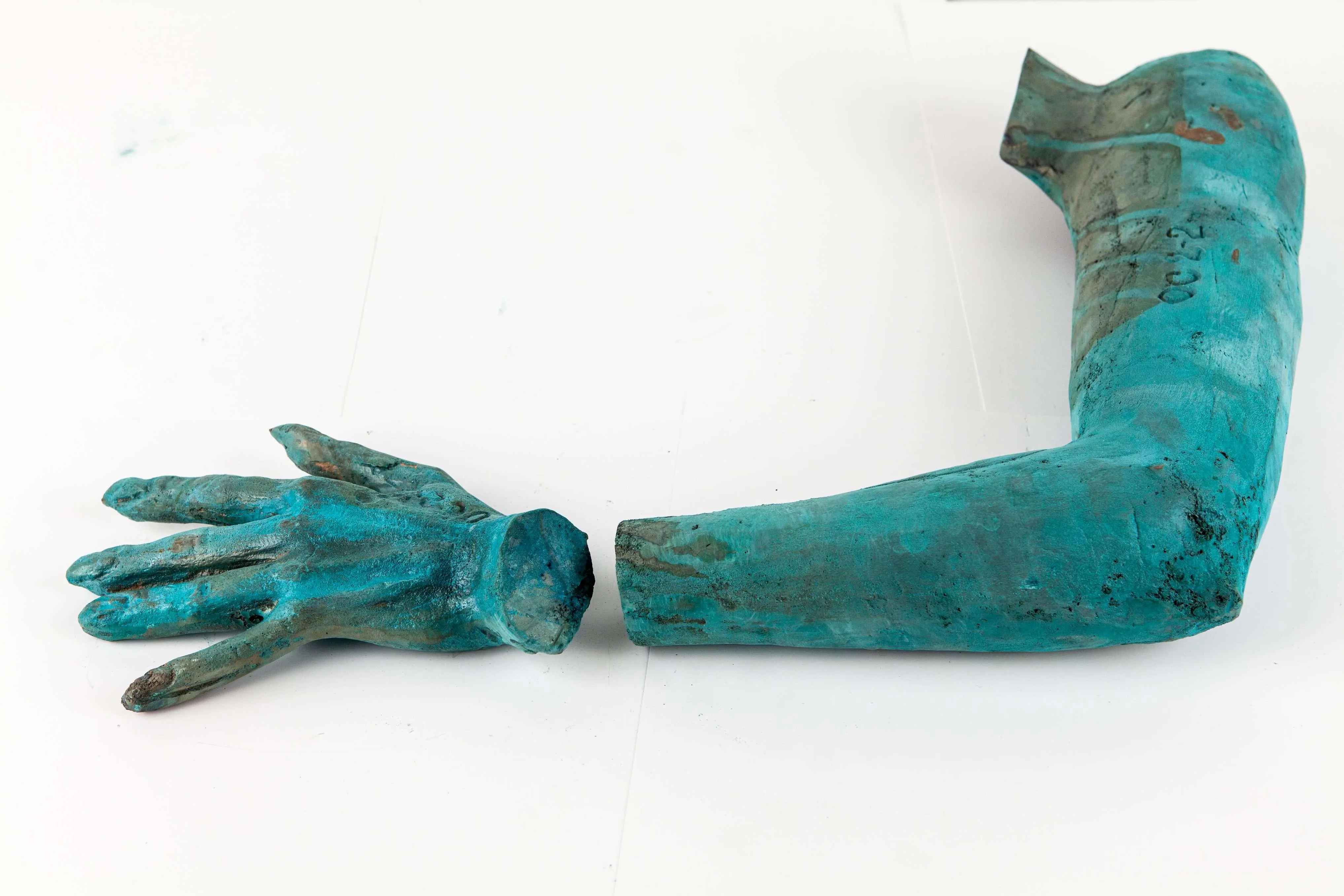
In recent times, we have become witnesses to the process of an unfolding civil war in the south-east of Ukraine. Images of body parts of those killed are broadcast on our television channels without any moral constraints. For this reason, the title "The Ukrainian Woman" appeared to me to be the most appropriate (and also because in the public consciousness Ukrainian women are regarded as being the most beautiful to be found on the territory of the former Soviet Union).
I came up with the idea for the sculptural work "The Ukrainian Woman" long ago, before it even had a title. When in 1998 | put together a selection of materials of the Situationist International in the magazine Radek, as an eloquent illustration of their critical method I chose a woman's portrait created through the use of collage and made from the "most beautiful" parts of faces of 1960s media stars. The portrait was titled "The Beauty of Sociology" — we saw the identikit picture of a woman who was clearly suffering from some sort of mental deficiency. In demonstrating this collage, the situationists confronted the "dialectical game of the entire face" and the "dictatorship of fragments" showing that authentic beauty has nothing to do with the fragmented sociology of preferences. A little later I found out that such manipulations were also carried out by the leading artists of antiquity.
Legends about such experiments have survived through to the present day. My idea lay in the simple accomplishment of an ancient legend and situationist criticism carried out in the enhanced format of a figurative sculpture of the sociologically "most beautiful" woman of our time.
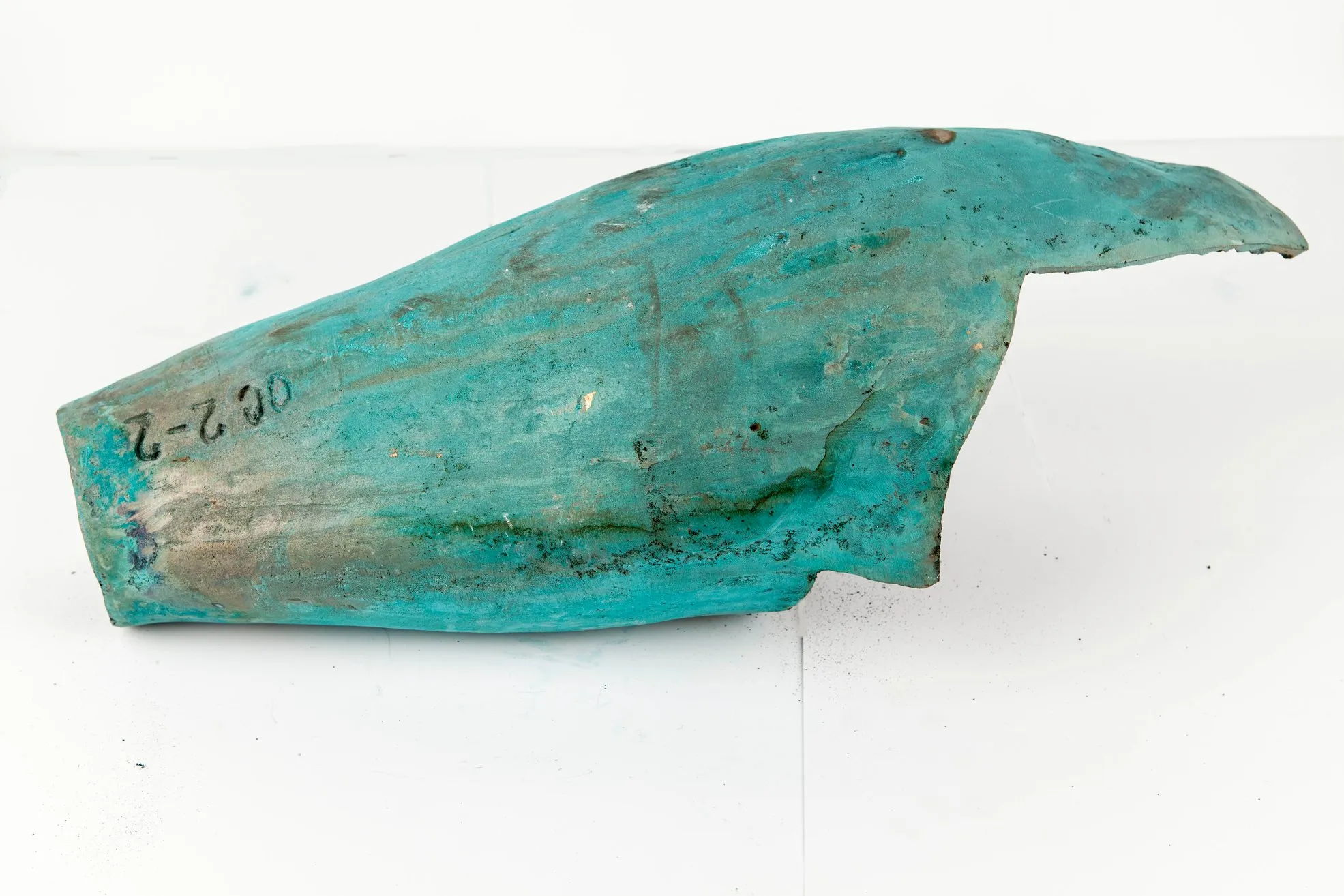
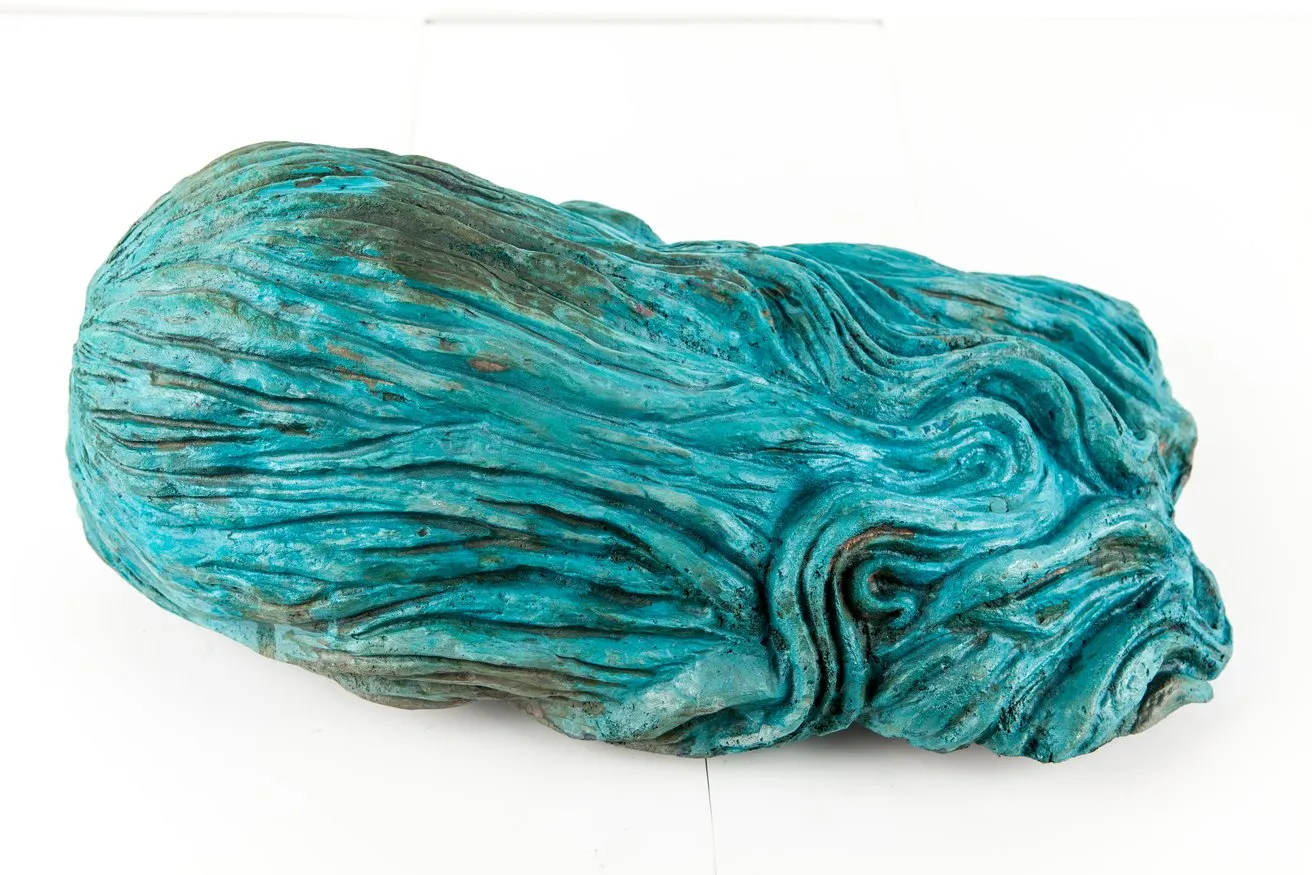
The real "added element" in this work becomes a combination of different parts of the body that must be assembled in the style of Frankenstein, not concealing but instead emphasizing the joins of the parts that form the "whole." It was also planned that at least one more set of the different parts would be cast and they would be laid out in a dismantled form at the feet of the sculptural image.
As a result, the installation's appearance acquired a distinctly horrifying allusion. The political topicality of this work, at the end of the day, however, was simply a coincidence.
Anatoly Osmolovsky